The Carpathians are too big to “do” in one trip. Most travellers pick one or two regions — Transylvania around Brașov, or the Tatras around Zakopane and Štrbské Pleso — and explore them properly. These are the fifteen places we would build a trip around, grouped by country, each with its own guide covering what to do, tickets, how to get there and which tours cover it.
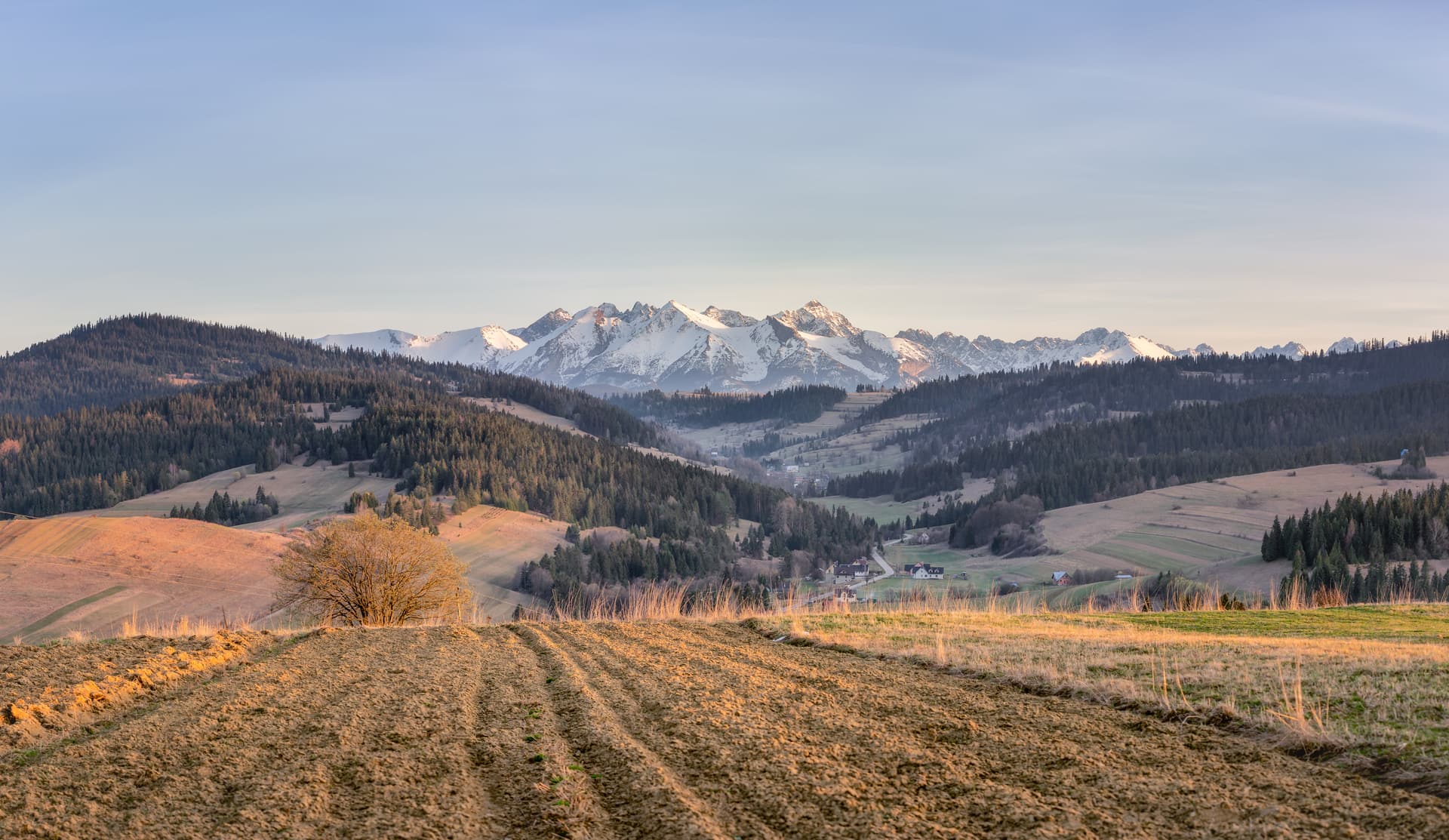
Places to Visit in the Carpathians
Fifteen places across five countries, from Transylvania’s castles to the granite peaks of the Tatras.
Romania
 Romania
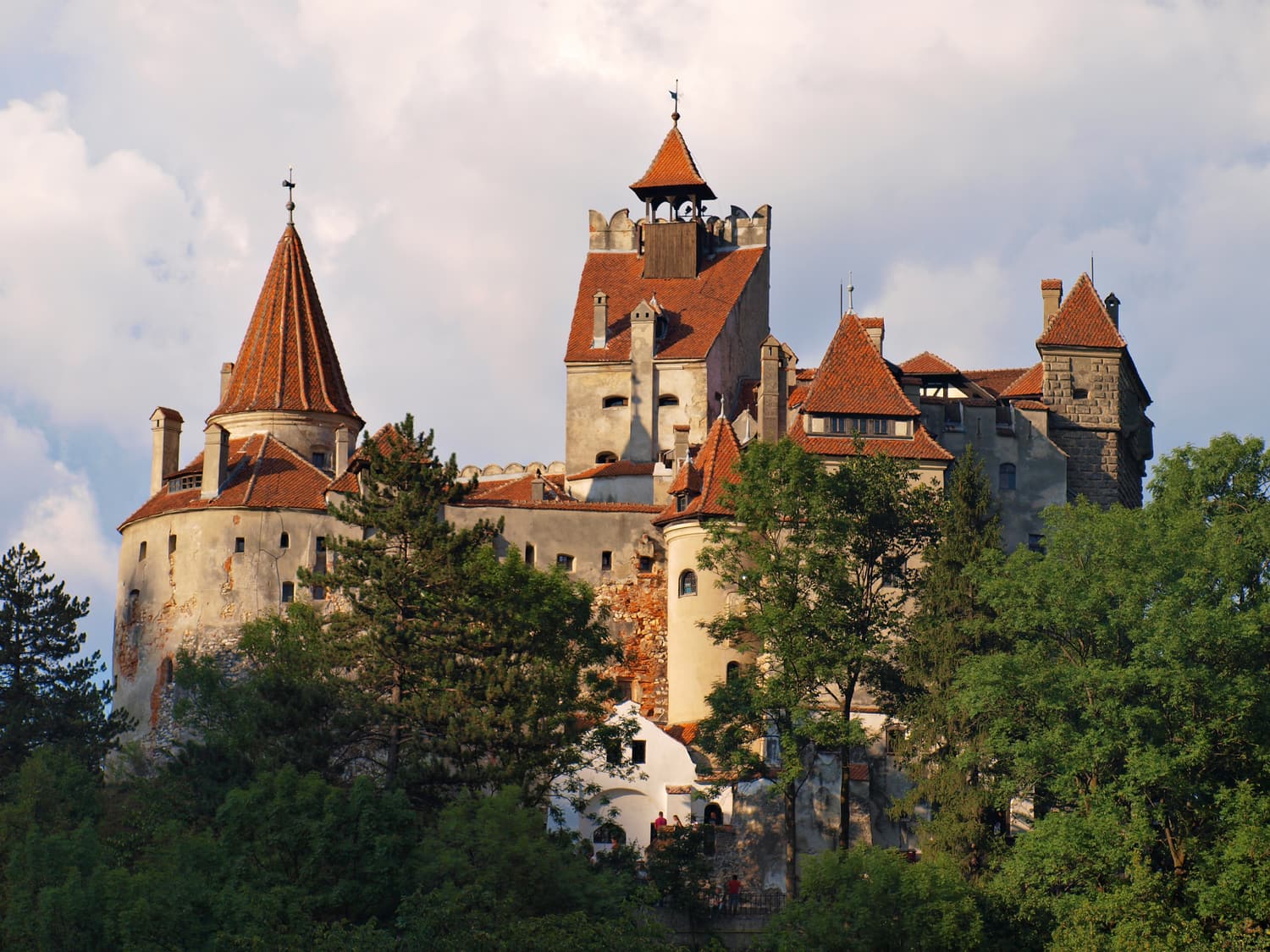
 Bran Castle
The fortress the world calls “Dracula’s Castle”
A 14th-century customs fortress on a rock above the Bran pass, later a favourite home of Queen Marie of Romania. The Dracula link is mostly marketing — the castle itself, with its courtyards, secret staircase and royal rooms, is the real draw.
 Romania
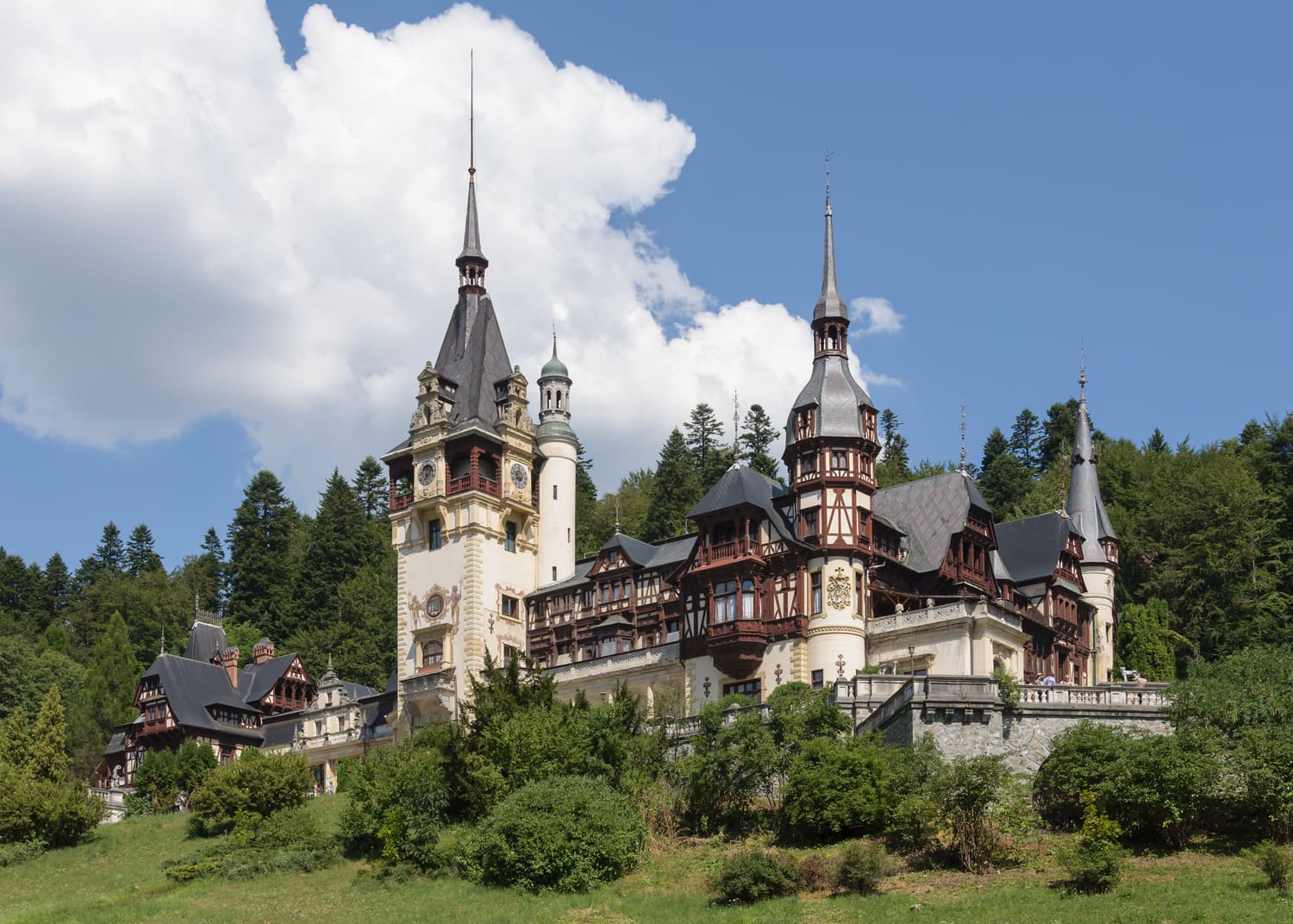
 Peleș Castle & Sinaia
Romania’s fairy-tale royal palace
King Carol I’s neo-Renaissance summer palace in Sinaia, finished in 1914 and among the first castles in Europe with electricity and central heating. Around it: the resort town of Sinaia, its monastery and the gondola up into the Bucegi.
 Romania
  Romania
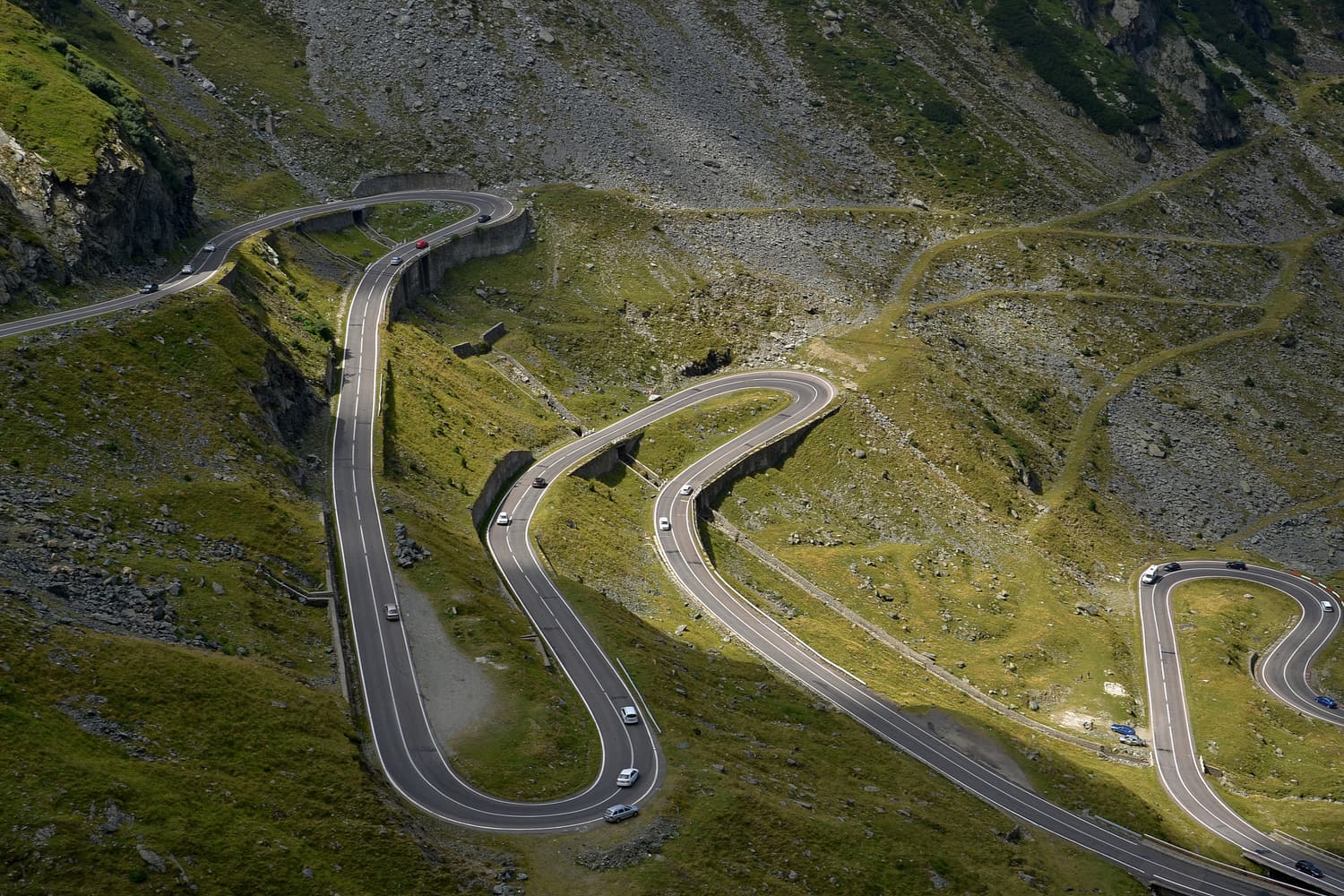
 Transfăgărășan & Transalpina
Two of Europe’s great mountain roads
The Transfăgărășan (DN7C) crosses the Făgăraș Mountains in a tangle of hairpins to Bâlea Lake at 2,034 m. To the west, the Transalpina (DN67C) climbs even higher, to about 2,145 m. Both are open only in summer — and both are bear country.
 Romania
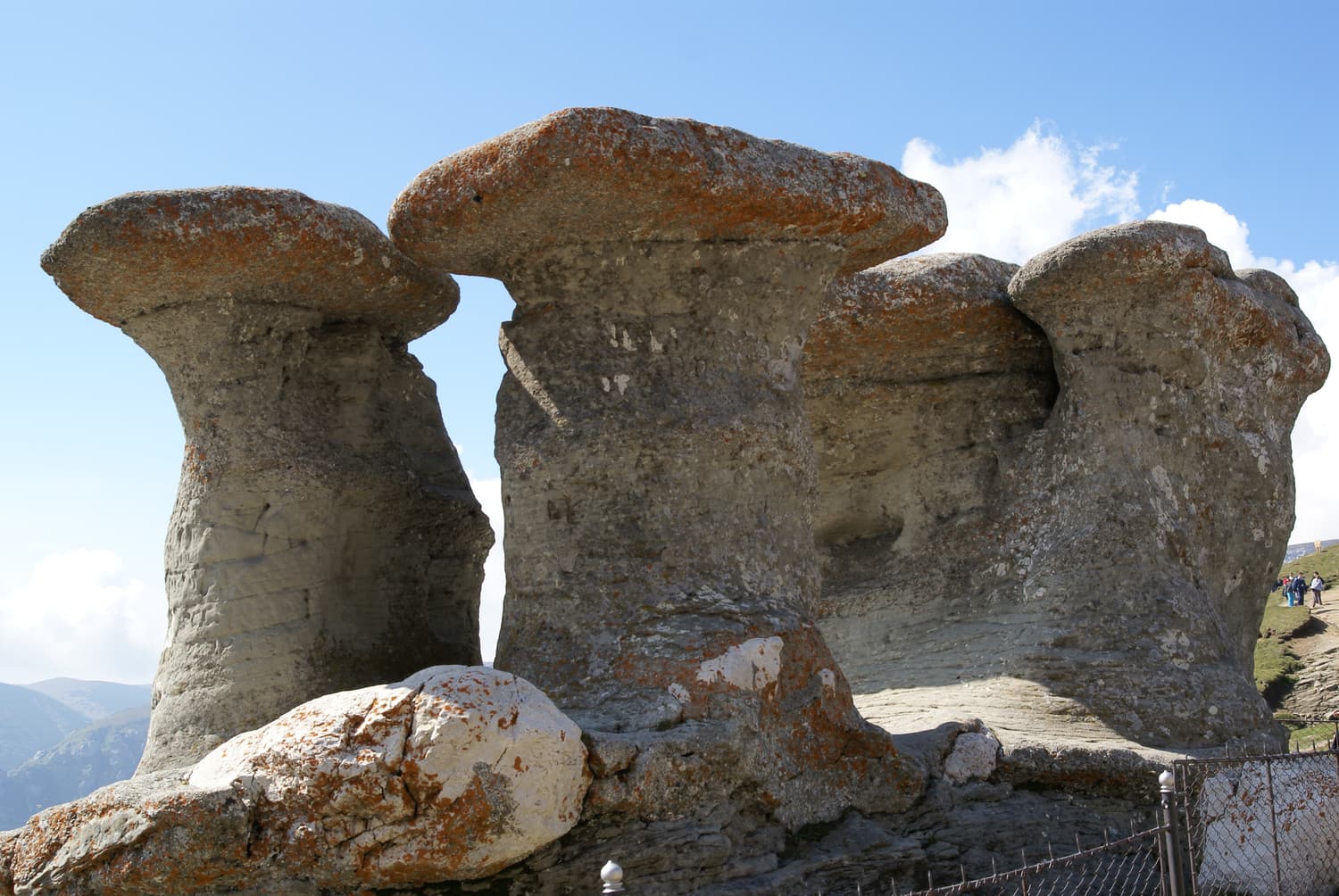
 Bucegi Mountains
Cable cars, rock sculptures and a giant cross
The wall of limestone cliffs above the Prahova valley. Cable cars from Bușteni and Sinaia lift you onto a high plateau with the wind-carved Babele and Sphinx rocks, the Caraiman Cross and the trail to Omu peak at 2,505 m.
 Romania
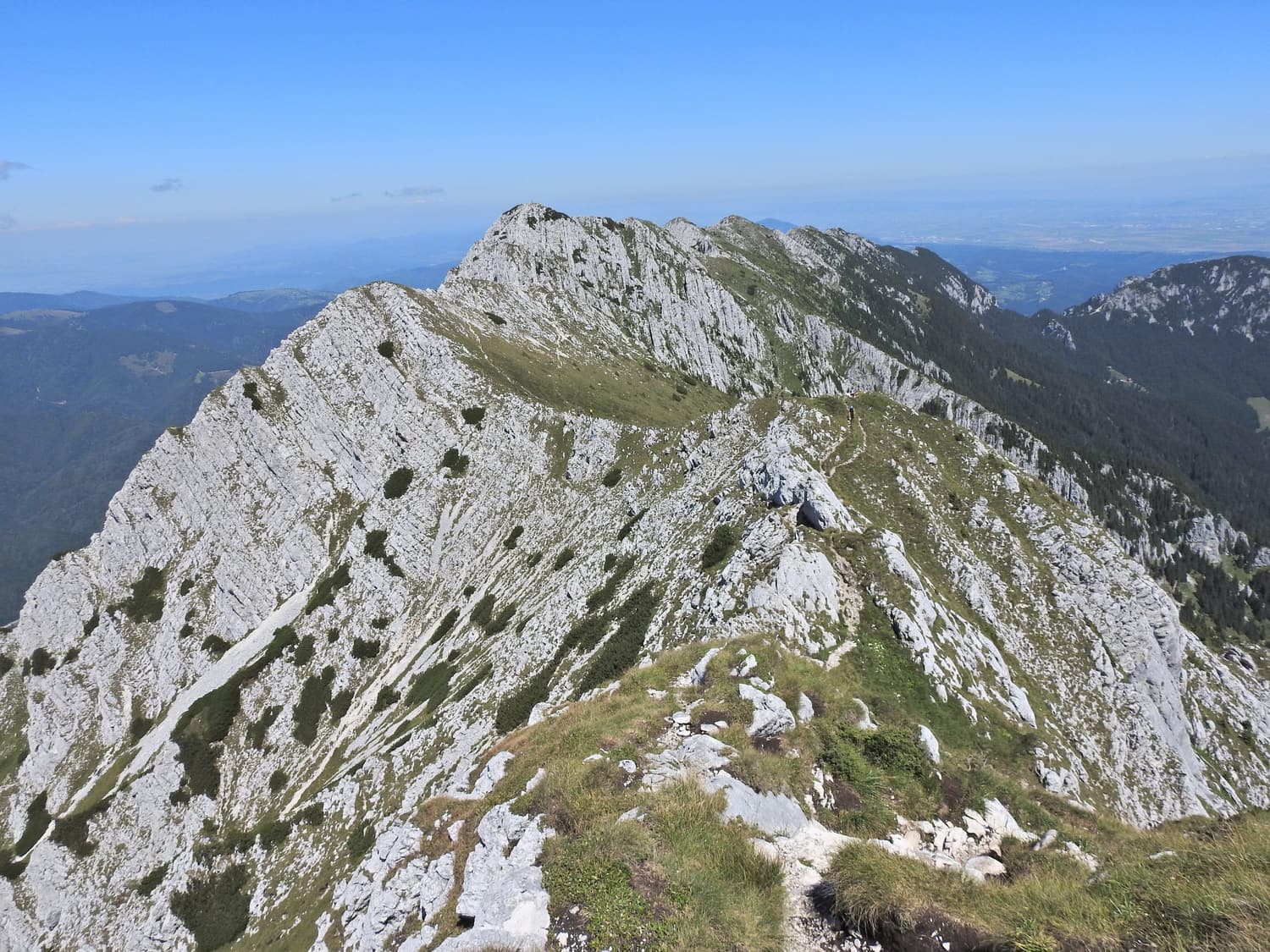
 Piatra Craiului
Romania’s most dramatic limestone ridge
A 25 km blade of limestone west of Brașov, protected as a national park. Gentle walks lead through Zărnești Gorge and flowery meadows below; the ridge above is one of the most exposed and spectacular hikes in the Carpathians.
 Romania
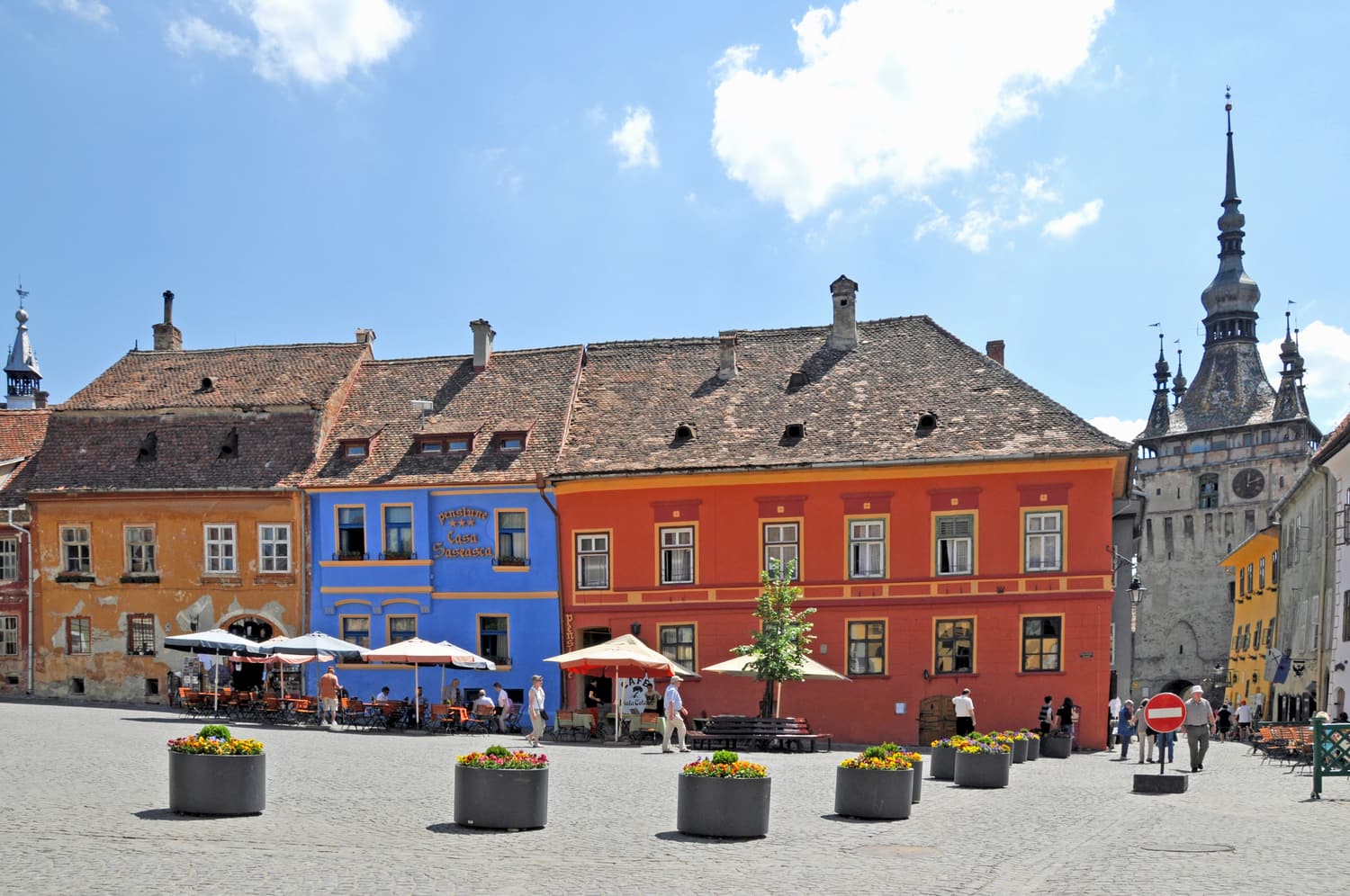
 Sighișoara
A lived-in medieval citadel
One of Europe’s best-preserved inhabited citadels, perched above the Târnava Mare valley: the Clock Tower, guild towers, a covered wooden staircase to the Church on the Hill, and the house where Vlad the Impaler is said to have been born.
 Romania
 Maramureș
Wooden churches and living village traditions
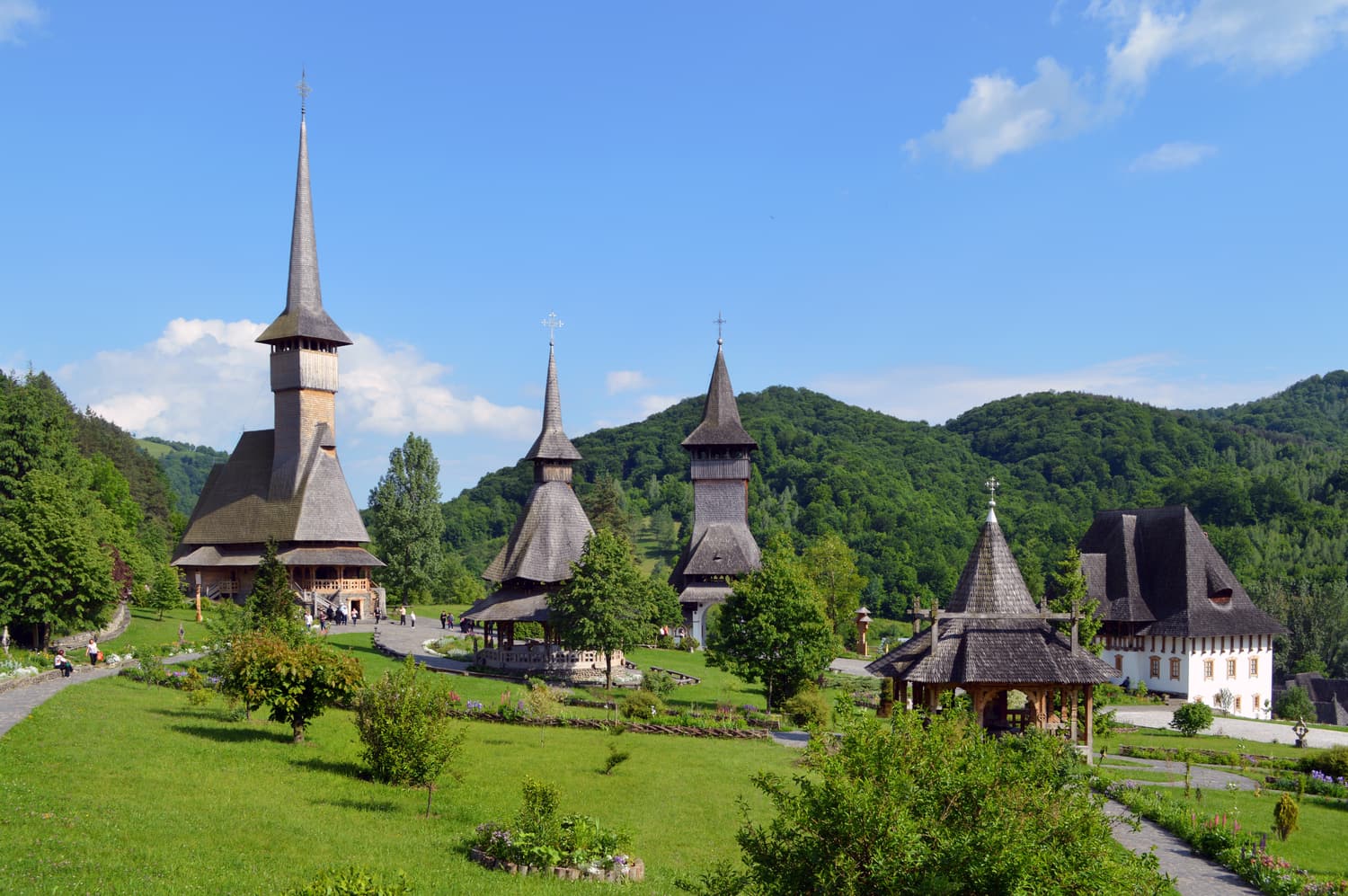
Romania’s far north, where carved oak gates stand in front of farmhouses, horse carts share the road with cars and eight wooden churches are listed by UNESCO. Add the Merry Cemetery at Săpânța and the Mocănița steam train on the Vaser valley.
Poland
 Poland
  Poland
 Tatra National Park & Morskie Oko
Glacial lakes and granite peaks
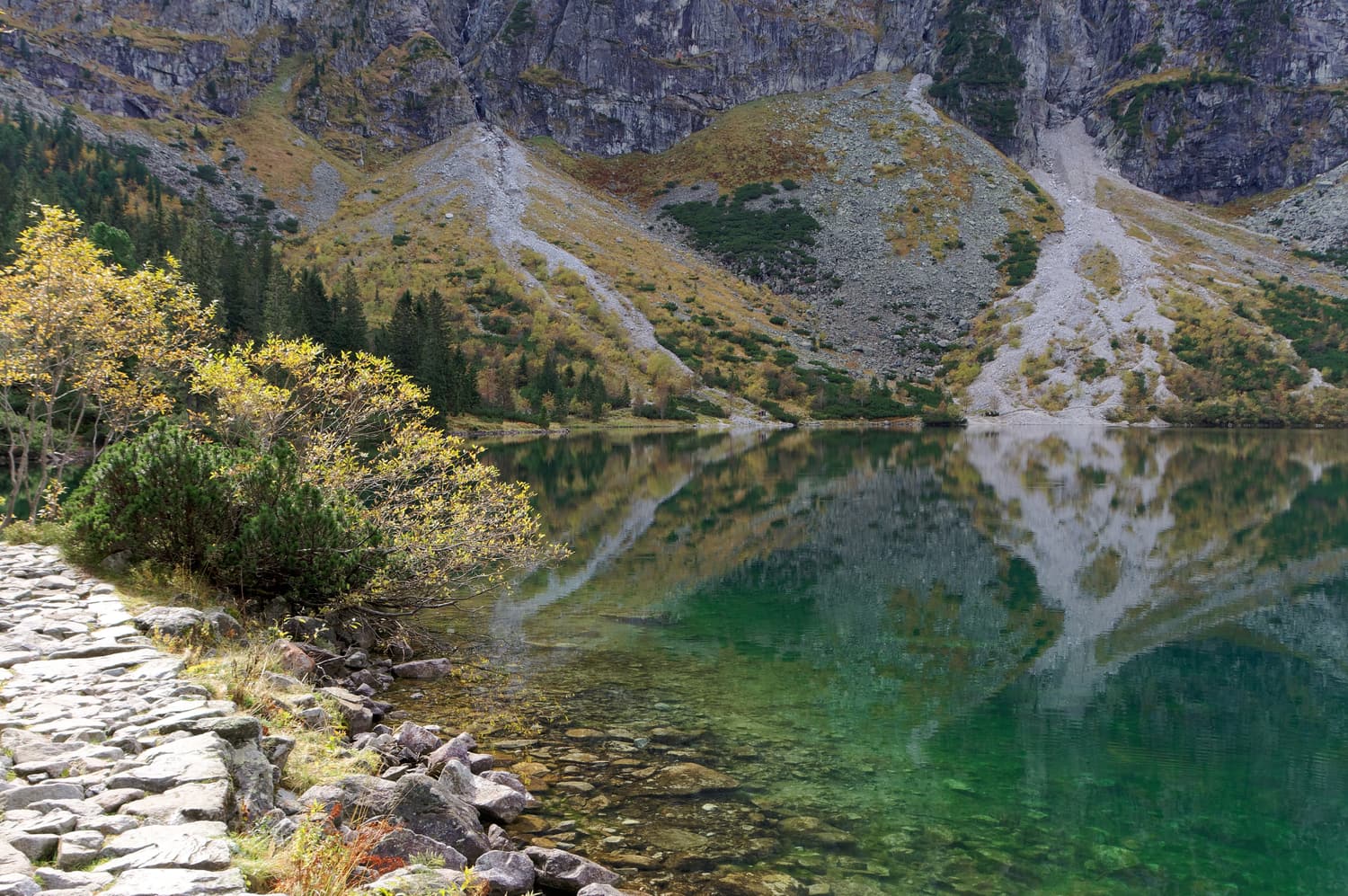
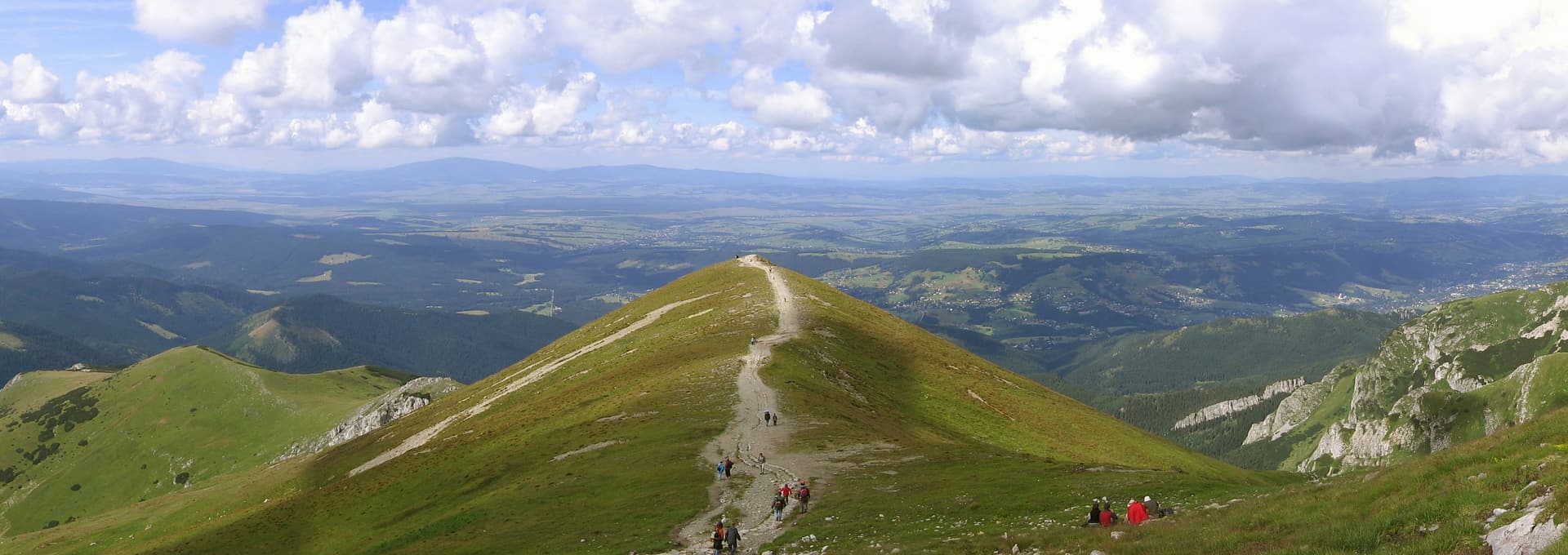
Poland’s only truly alpine mountains. Walk up to Morskie Oko, a glacial lake beneath 1,000-metre walls, ride the cable car to Kasprowy Wierch on the Slovak border, or hike the Valley of Five Polish Ponds. Popular, protected and spectacular.
 Poland
 Bieszczady
Poland’s wild south-eastern corner
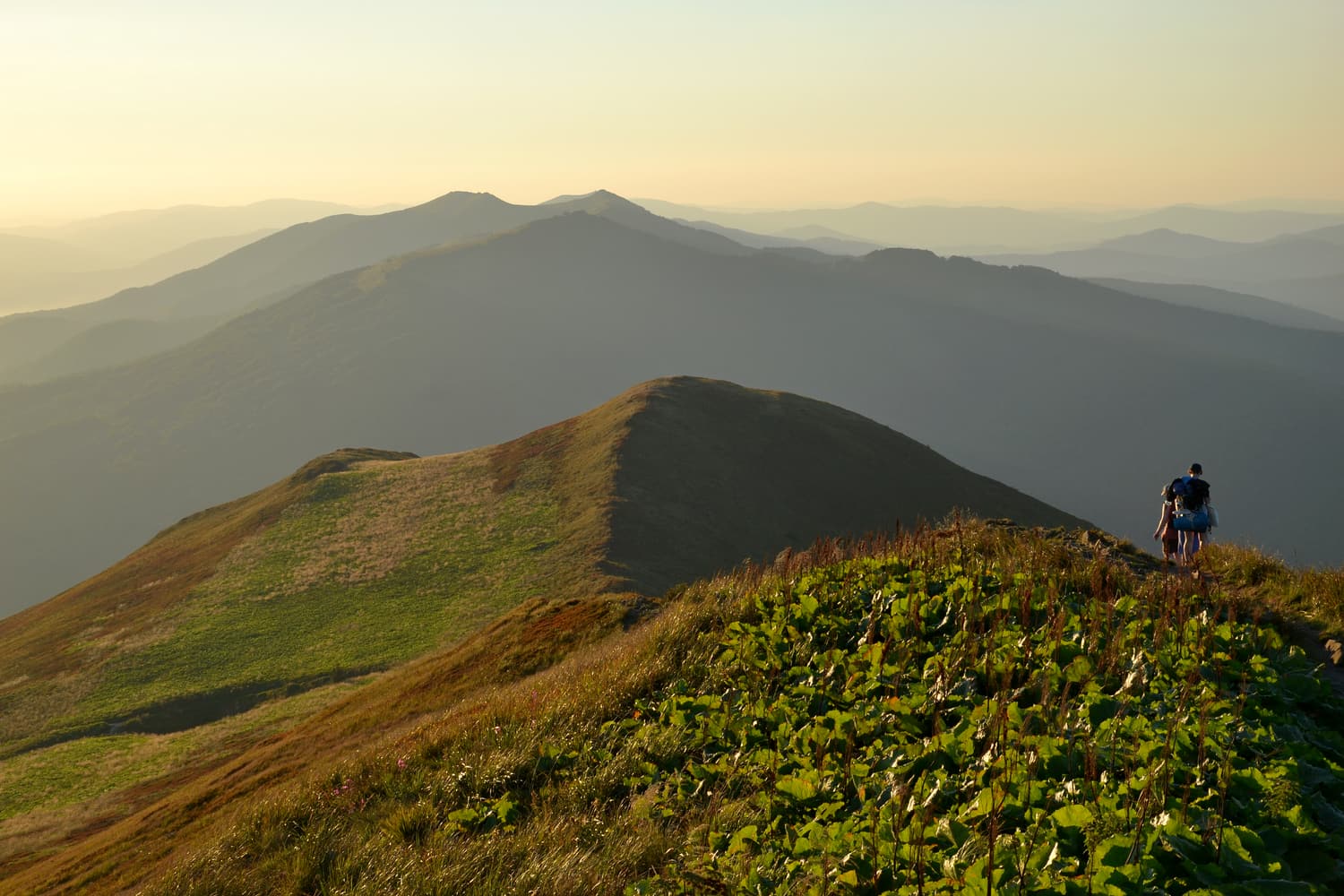
Rolling, grassy mountain ridges called połoniny, beech forests with bears, wolves and bison, and very few people. The Bieszczady are about as far from the crowds of Zakopane as you can get in Poland — and a hiker’s paradise in autumn.
Slovakia
 Slovakia
 High Tatras (Slovakia)
The highest peaks in the Carpathians
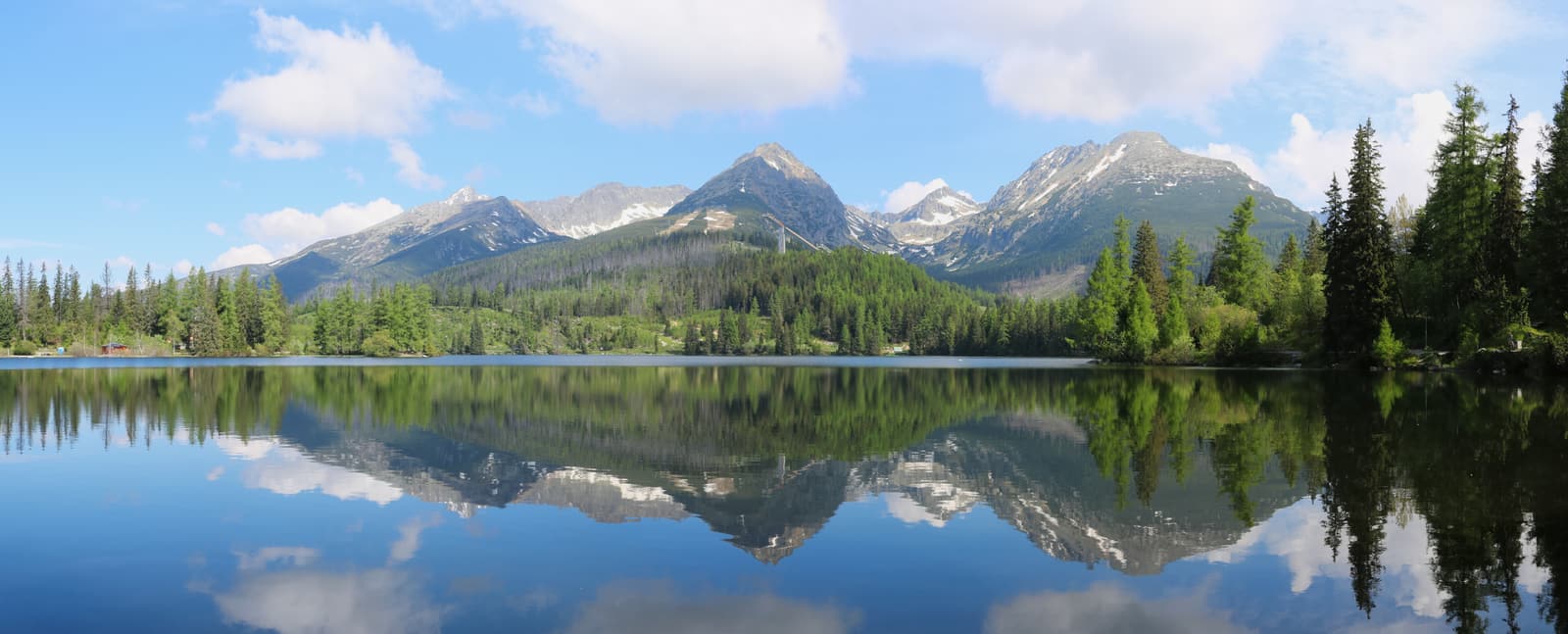
The Slovak side of the Tatras holds Gerlachovský štít (2,655 m), the Carpathians’ highest peak. Štrbské Pleso, Starý Smokovec and Tatranská Lomnica are linked by an electric railway, with cable cars, waterfalls and mountain huts above.
 Slovakia
 Slovak Paradise
Gorges climbed by ladders and chains
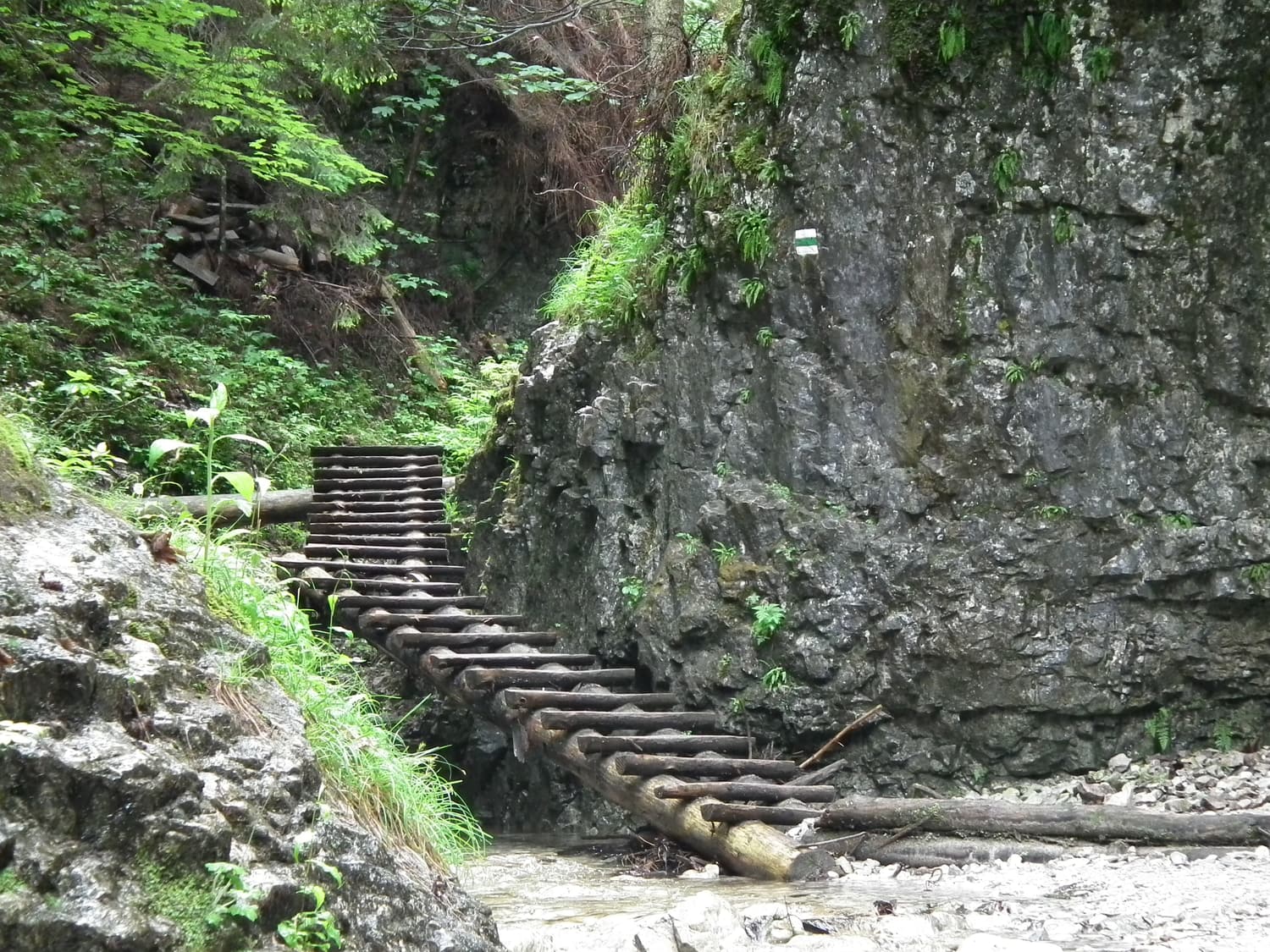
A national park of deep limestone gorges where the trails go up the waterfalls themselves — on steel ladders, footbridges and chains. Suchá Belá, Piecky and the Hornád gorge are among the most fun hikes in Central Europe.
Ukraine
 Ukraine
 Chornohora & Hoverla (Ukraine)
Ukraine’s highest mountains
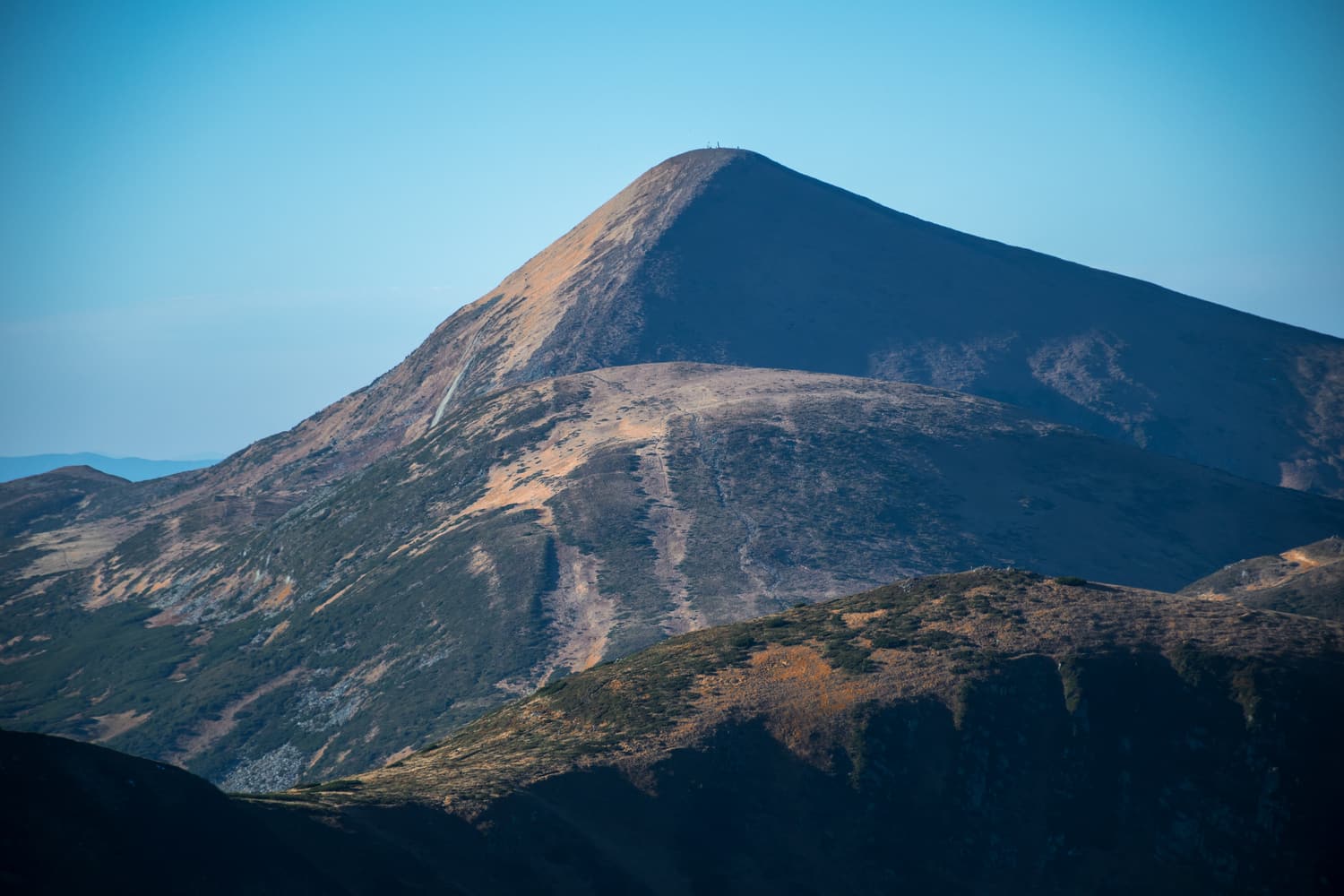
The Chornohora ridge carries Hoverla (2,061 m), Ukraine’s highest peak, and the ruined observatory on Pip Ivan. Below lie Hutsul villages, wooden churches and the resort towns of Yaremche and Vorokhta. Read the travel advisory first.
Czechia
 Czechia
 Beskydy (Czechia)
Wooden chalets and forested ridges in Moravia
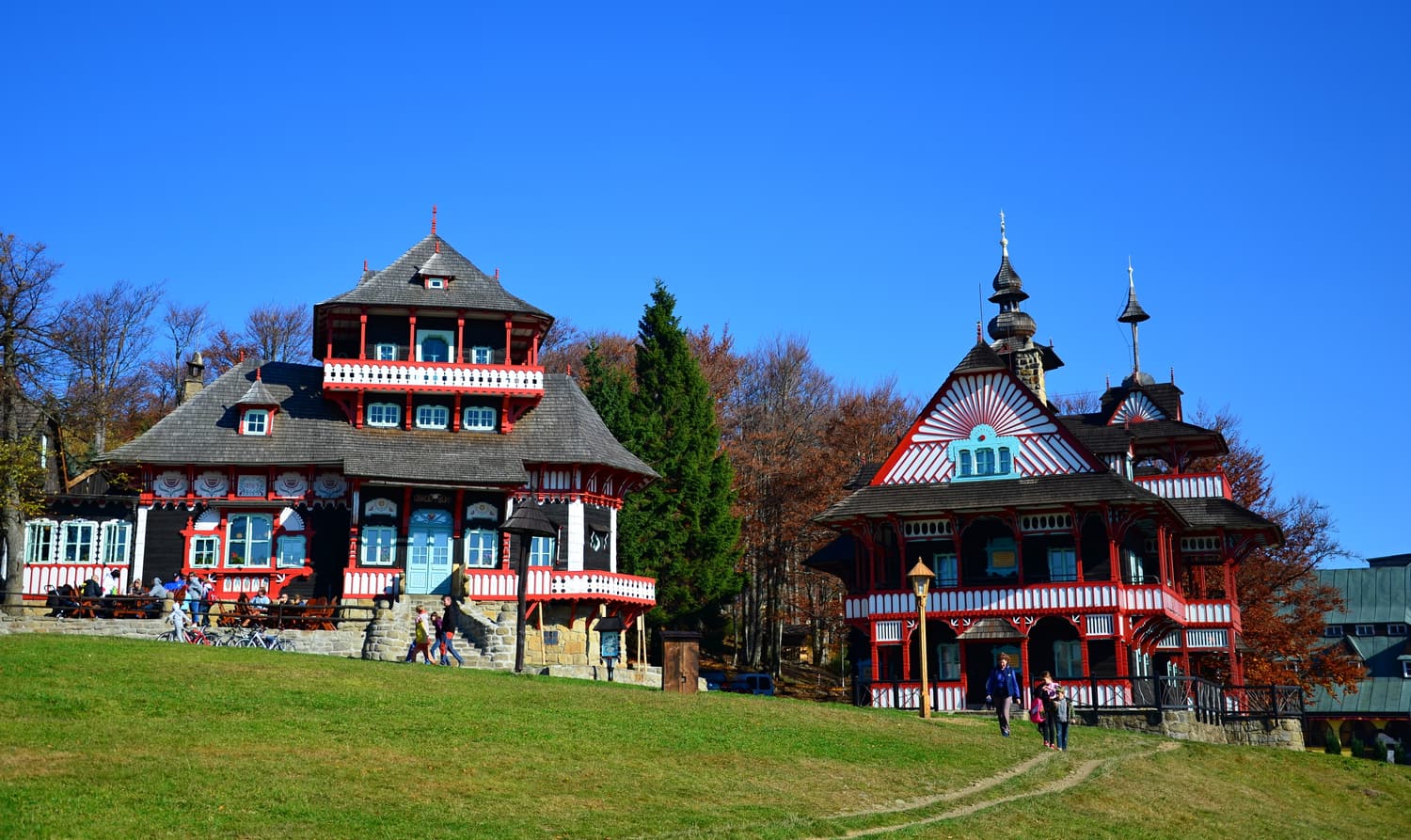
The westernmost Carpathian hills, on the Czech–Slovak border. Lysá hora is the highest point at 1,323 m; Pustevny, with its folk-art timber chalets, and the Radhošť ridge are the classic walks. Easy, family-friendly mountains.
Two classic itineraries
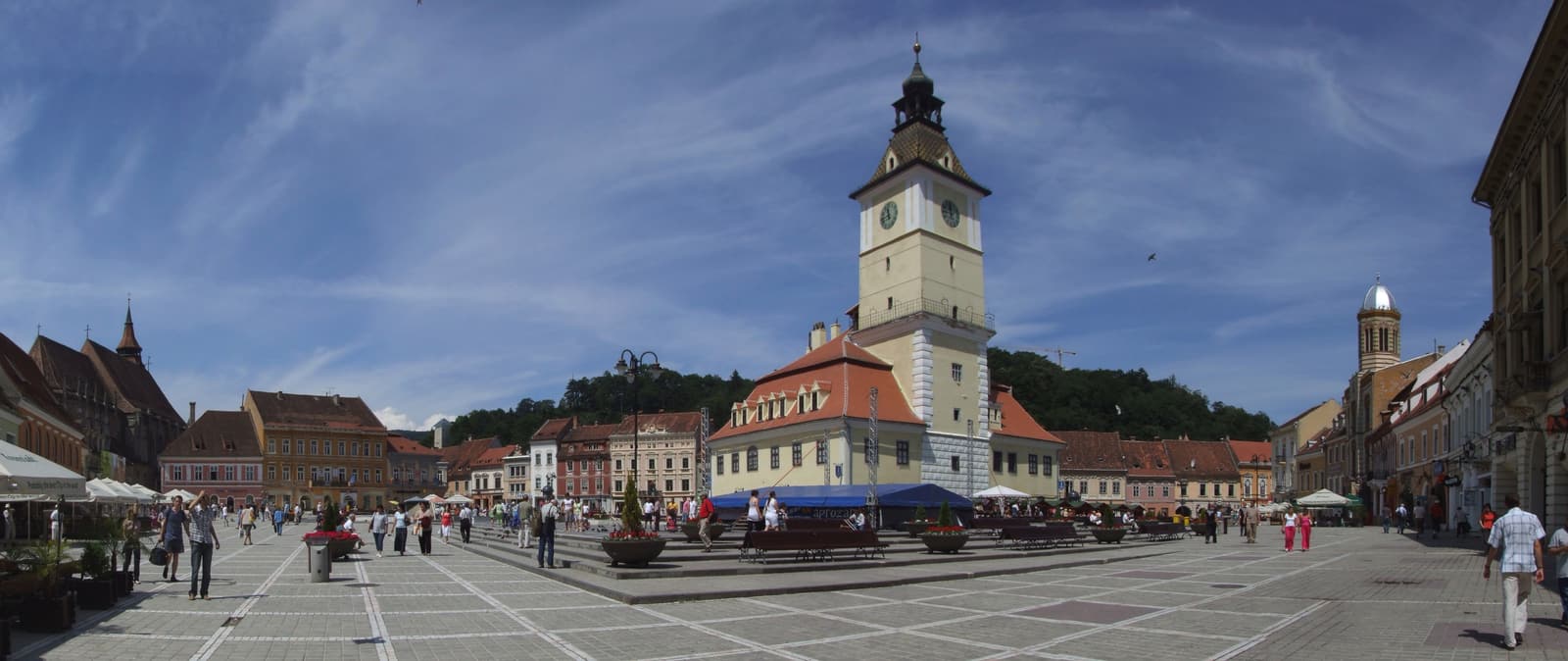
A week in Transylvania: Fly into Bucharest and take the train to Brașov (3 nights): old town and Tâmpa, then Bran, Râșnov and the bear sanctuary, then Peleș and the Bucegi cable car. Move to Sighișoara (1 night) via Viscri, then on to Sibiu and — in summer — the Transfăgărășan. Return to Bucharest, or fly out of Sibiu or Cluj.
A week in the Tatras: Fly into Kraków. Three nights in Zakopane for Gubałówka, Kasprowy Wierch and Morskie Oko, then cross the border to Štrbské Pleso or Starý Smokovec (3 nights) for Popradské pleso, the Lomnický štít cable car and a day in the Slovak Paradise. Return via Poprad by train, or back to Kraków by road.
Plan your mountain days
Castles, high passes and wild bears — in one trip
From Transylvania’s fortified towns to the granite peaks of the Tatras, the Carpathians reward a little planning. Compare guided day trips, hikes and wildlife tours and book in a couple of taps.