The Carpathian arc is long, so “getting there” depends on which part you are heading for. In practice almost everyone arrives through one of four gateways: Kraków for Zakopane and the Polish Tatras, Bucharest for Brașov, Sinaia and Transylvania, Poprad (or Kraków and Košice) for the Slovak High Tatras, and Cluj-Napoca or Sibiu for northern and western Transylvania.
Here are the main routes compared.
The main routes at a glance
| Route | Best option | Typical time | Notes |
|---|---|---|---|
| Kraków → Zakopane | Bus / minibus or train | 2–2.5 h | Buses leave from next to Kraków Główny; roads jammed on weekends |
| Bucharest → Brașov | Train | 2.5–3 h | Stops at Sinaia and Bușteni on the way |
| Bucharest airport → Brașov | Shuttle or transfer | ≈3–3.5 h | Direct shuttles run several times a day |
| Bratislava → Poprad (High Tatras) | Train | ≈4 h | Then Tatra Electric Railway to the resorts |
| Zakopane → Štrbské Pleso | Car or bus via Łysa Polana | 1–1.5 h | Seasonal cross-border buses; a car is easier |
| Cluj-Napoca → Sighișoara | Car or train | 2–3 h | Cluj has the widest choice of flights in Transylvania |
Flying in
- Kraków (KRK) — the gateway for Zakopane and the Tatras, with flights from across Europe. Katowice (KTW) is a good alternative.
- Bucharest Otopeni (OTP) — Romania’s main airport, about 3 hours from Brașov.
- Sibiu (SBZ), Cluj-Napoca (CLJ) and Brașov (GHV) — Transylvania’s own airports. Brașov’s airport opened in 2023 with a small but growing list of routes.
- Poprad-Tatry (TAT) and Košice (KSC) — for the Slovak side, with limited routes; many visitors fly to Kraków, Budapest or Vienna instead.
Kraków to Zakopane
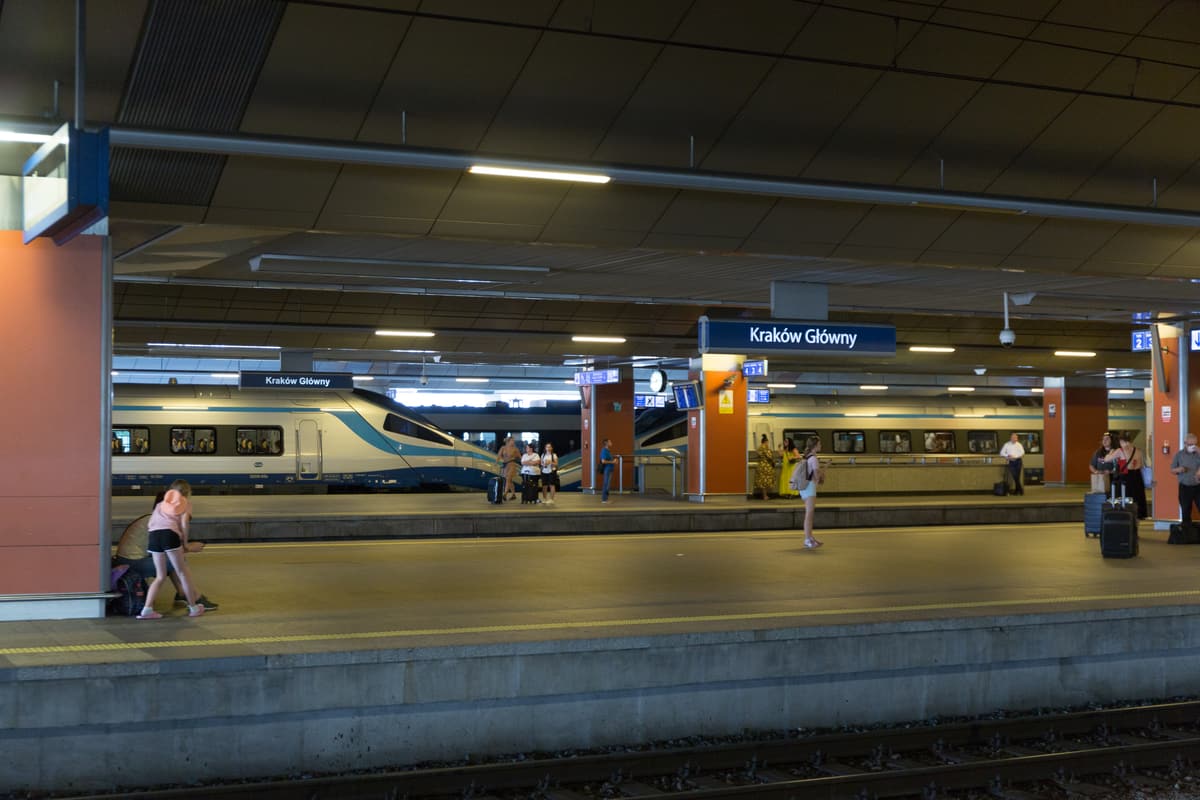
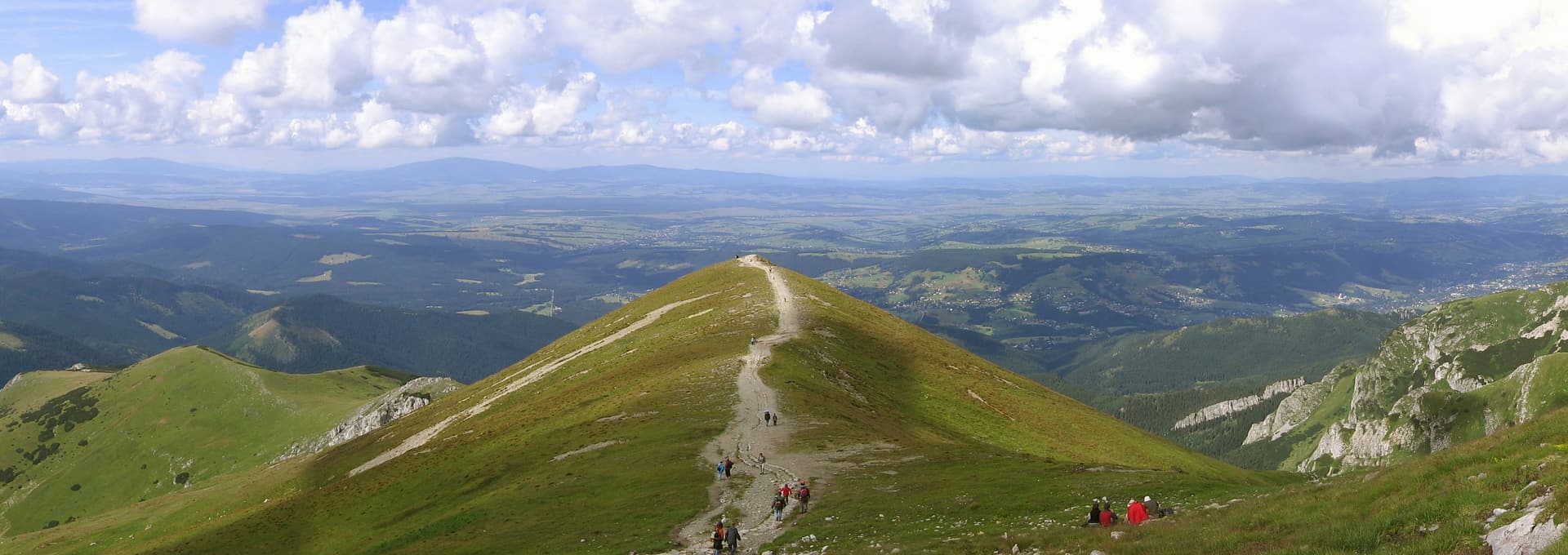
Frequent coaches and minibuses run from Kraków’s bus station (next to Kraków Główny railway station) to Zakopane in about 2–2.5 hours. Trains are more comfortable and have improved in recent years, but can take a little longer. By car, the Zakopianka road is notorious for queues on Friday evenings and weekend mornings. If you only have one day, a Kraków–Zakopane day trip takes care of everything.
Bucharest to Brașov, Sinaia and Bran
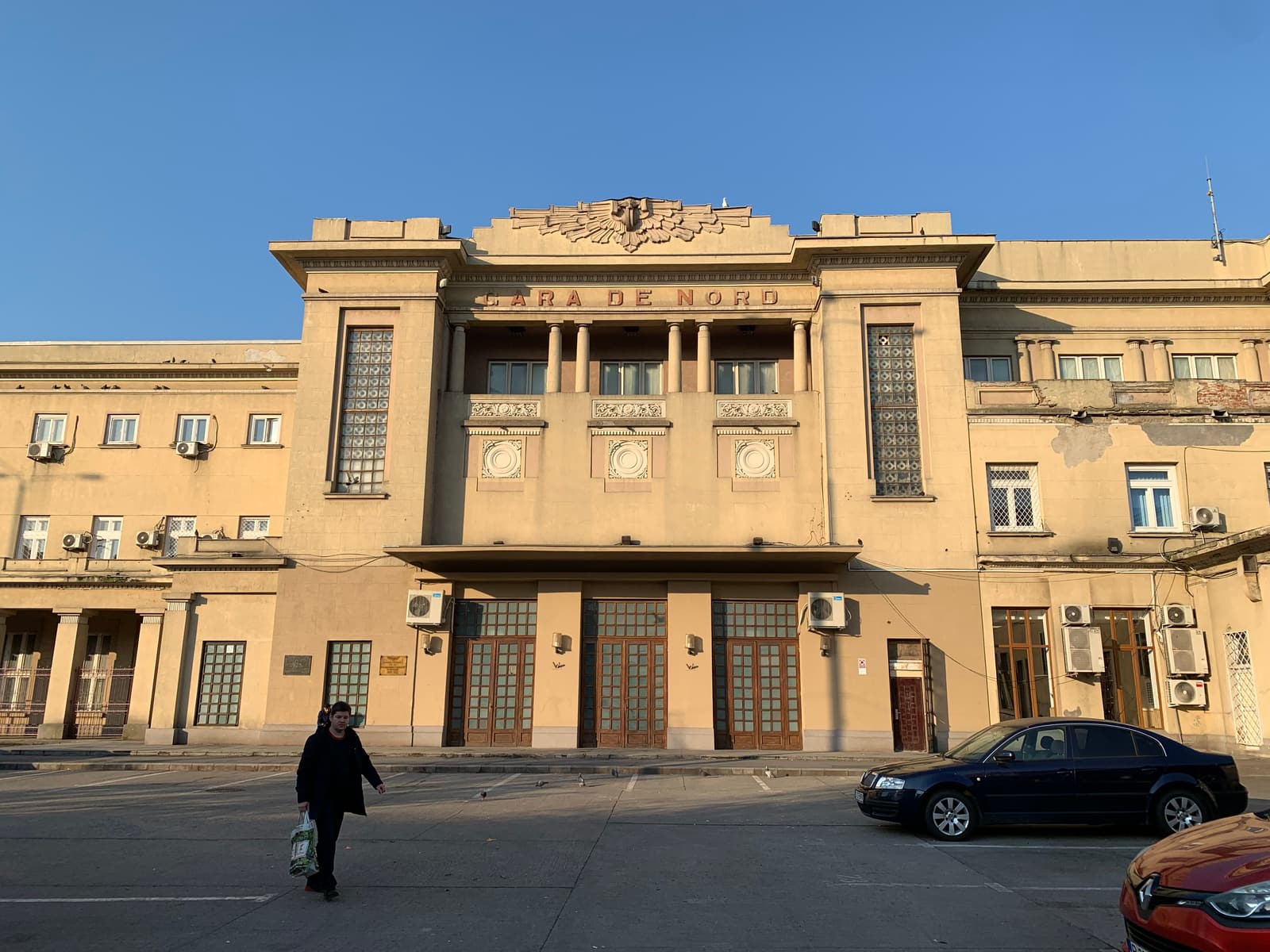
Trains run all day from Bucharest Gara de Nord through the Prahova valley, calling at Sinaia (for Peleș), Bușteni (for the Bucegi cable car) and Predeal before Brașov. Book seats on the busiest summer weekends. The DN1 road follows the same valley and is often jammed on Fridays and Sunday evenings. For Bran, take a local bus from Brașov or a day trip.
Into the Slovak High Tatras
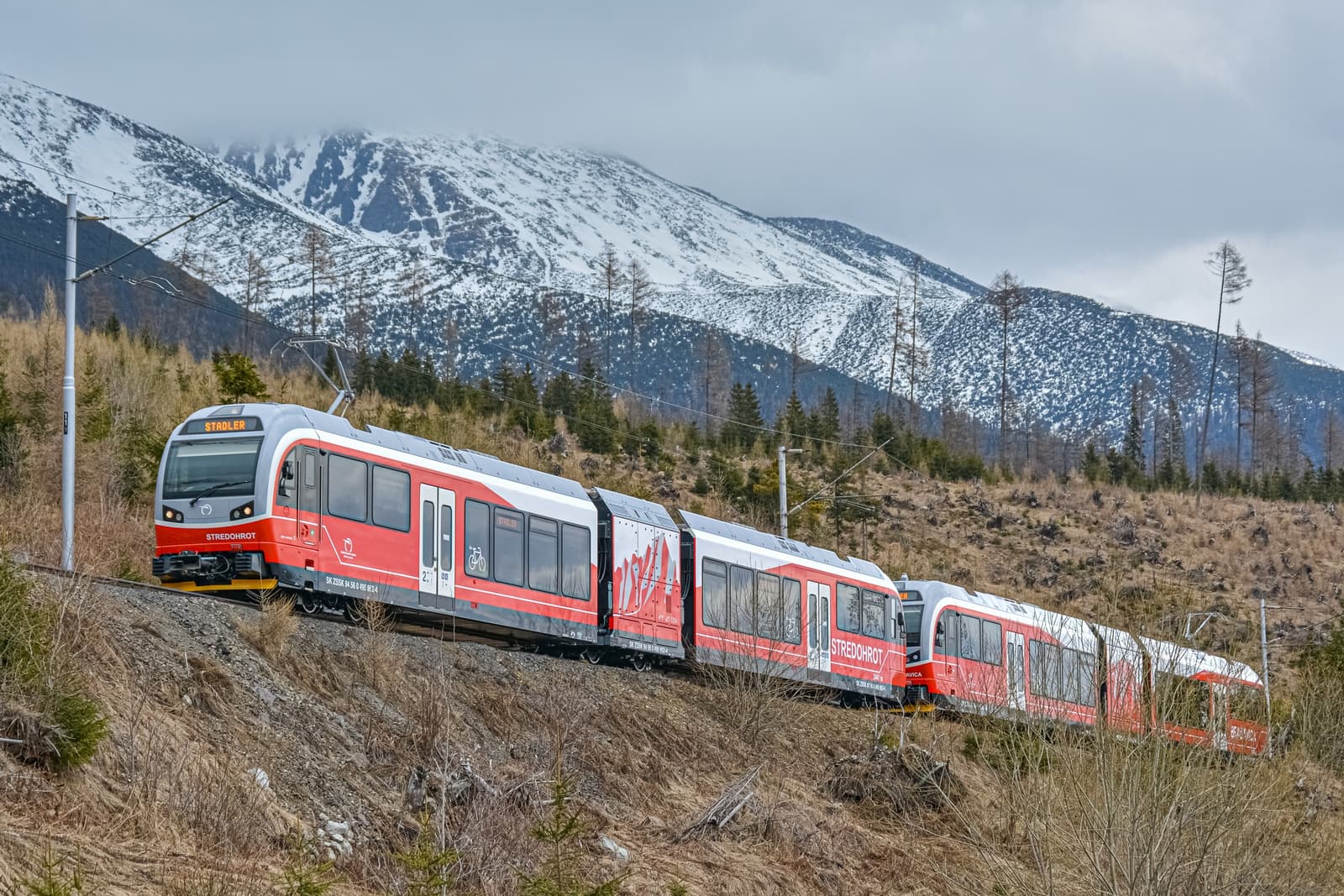
Poprad-Tatry station is on Slovakia’s main east–west railway, with fast trains from Bratislava and Košice. From Poprad, the red Tatra Electric Railway climbs to Starý Smokovec, Tatranská Lomnica and Štrbské Pleso (with a rack railway from Štrba). From Zakopane, cross by road at Łysa Polana.
Car hire and driving
- A car is the best way to explore Maramureș, the Saxon villages, the Bieszczady and the Transfăgărășan.
- Romania, Slovakia and Czechia require a road vignette for motorways and many national roads — buy it online before you drive. Poland uses tolls on some motorways instead.
- Mountain roads are slow and winter tyres are needed in snowy conditions; the Transfăgărășan and Transalpina high sections are closed for much of the year.
- Watch out for horse carts, livestock and, at dusk, bears and deer on rural roads.
Border crossings and documents
Poland, Slovakia, Czechia, Hungary and Romania are all in the EU and the Schengen Area (Romania joined fully in 2025), so there are normally no border checks between them — but carry your passport or ID card. Ukraine is outside the EU and currently subject to travel advisories; see our Ukrainian Carpathians page.