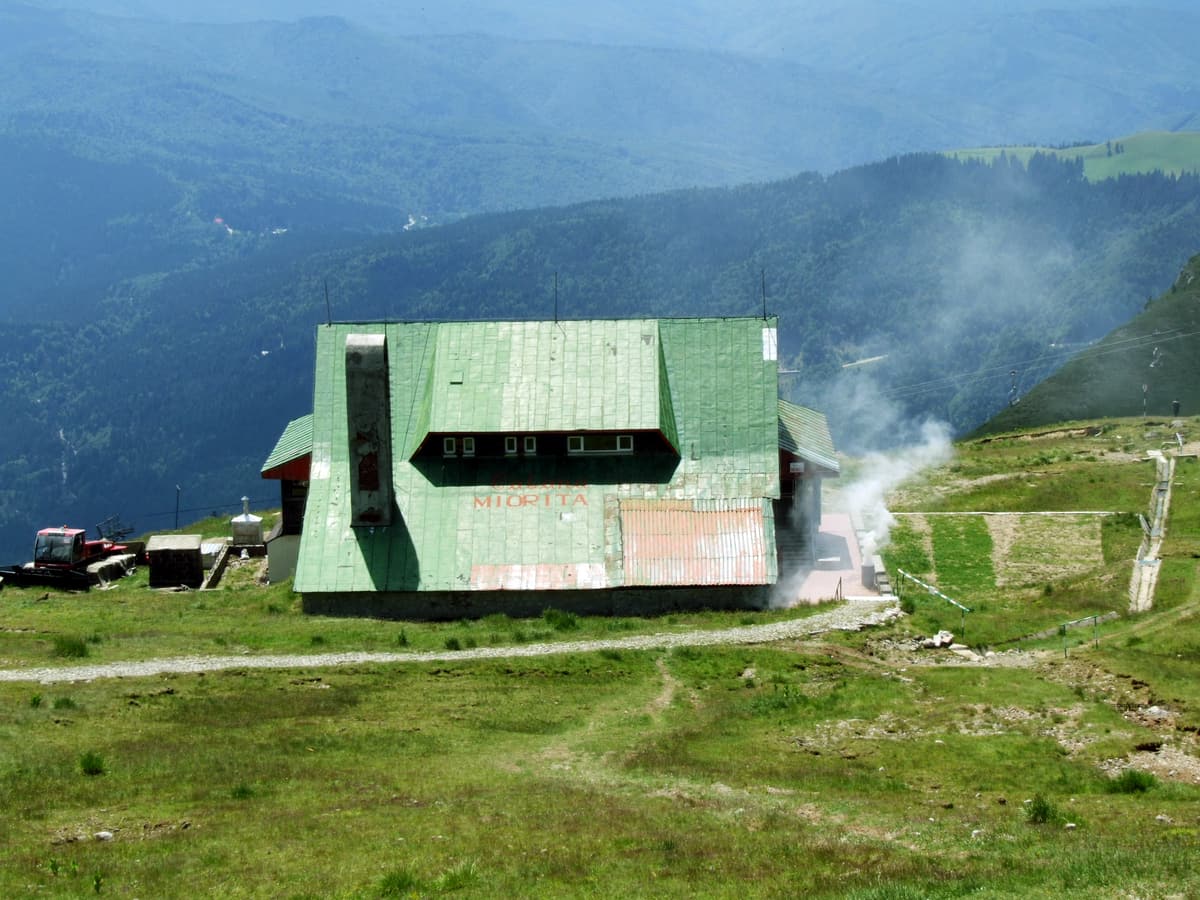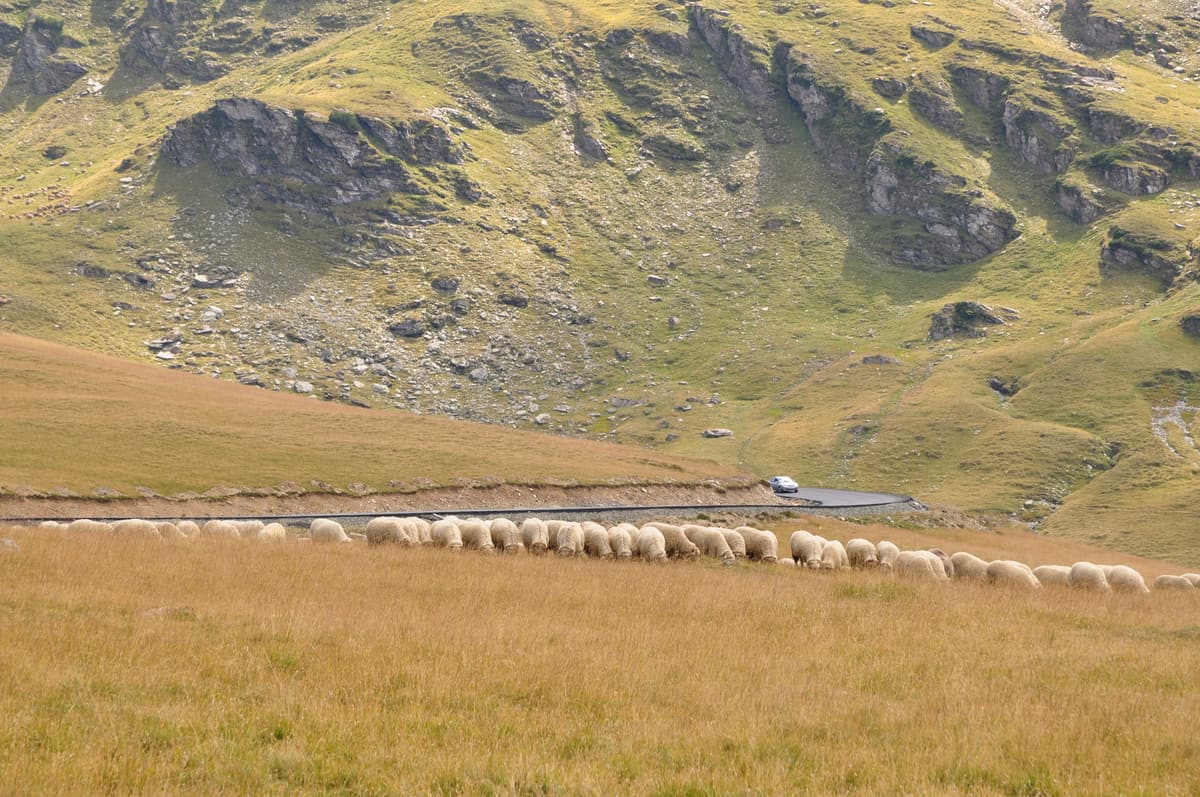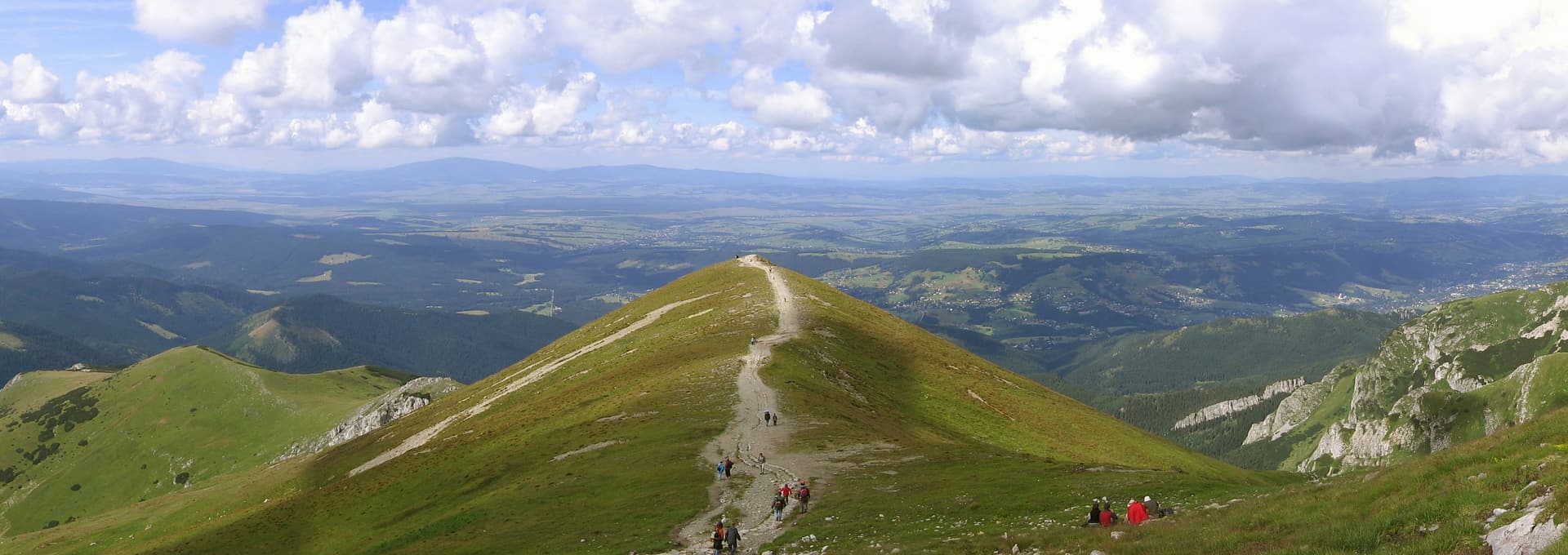
The Carpathians are longer than the Alps, yet they feel very different: wilder, less developed, cheaper and full of living culture. You can sleep in a Belle Époque grand hotel one night and a shepherd’s hut the next, walk all day without seeing another hiker, and still be within a few hours of Kraków or Bucharest.
Choosing where to go
- Transylvania (Romania) — castles, Saxon towns, bears and big wild mountains. Base: Brașov.
- Polish Tatras — Zakopane’s highland culture, Morskie Oko and Kasprowy Wierch. Base: Zakopane.
- Slovak High Tatras — the highest peaks, mountain huts and an electric railway. Base: Štrbské Pleso or Starý Smokovec.
- Off the beaten track — Maramureș, the Bieszczady, the Slovak Paradise and the Czech Beskydy.
How long do you need?
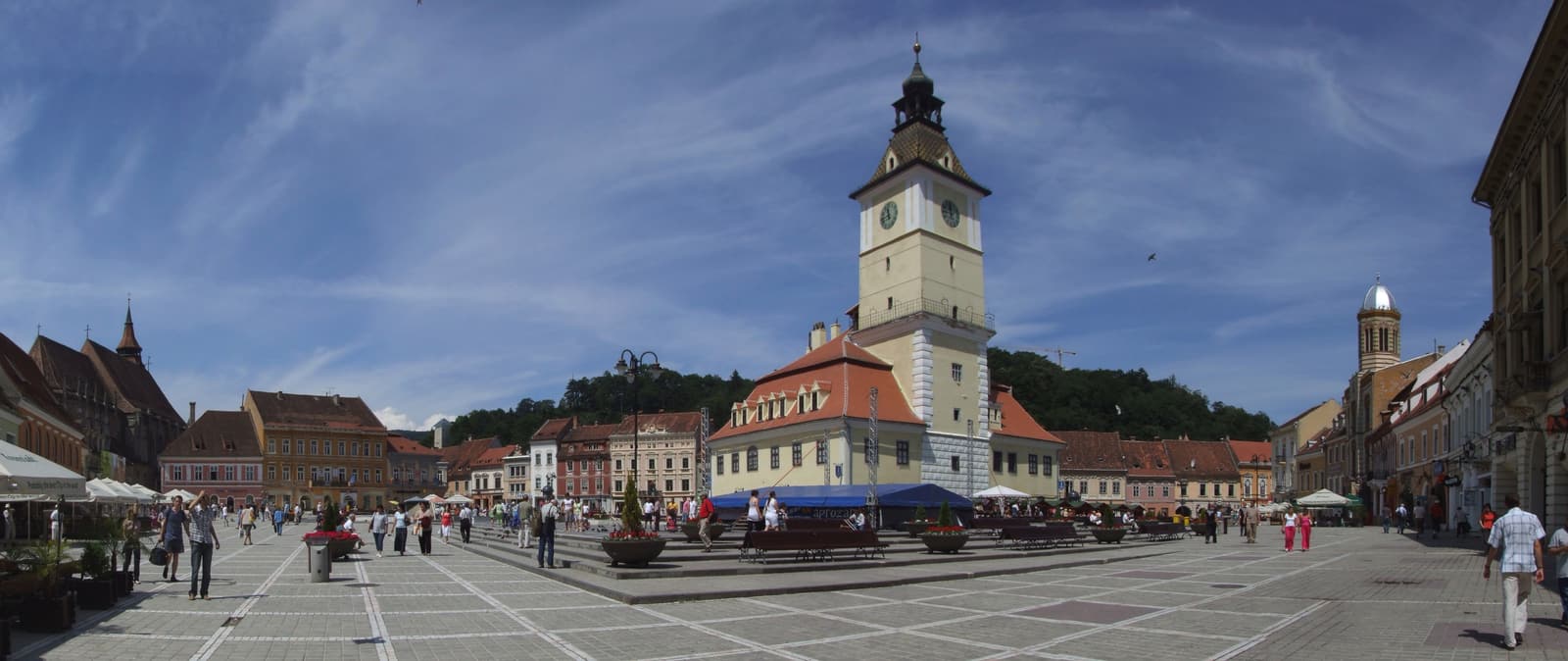
- One day — a day trip from Kraków to Zakopane, or from Bucharest to Bran, Peleș and Brașov.
- A long weekend — Brașov or Zakopane with two full days out.
- A week — Transylvania properly, or the Polish and Slovak Tatras together.
- Two weeks — add Maramureș or the Bieszczady, or hike a multi-day ridge.
Highlights
 Romania
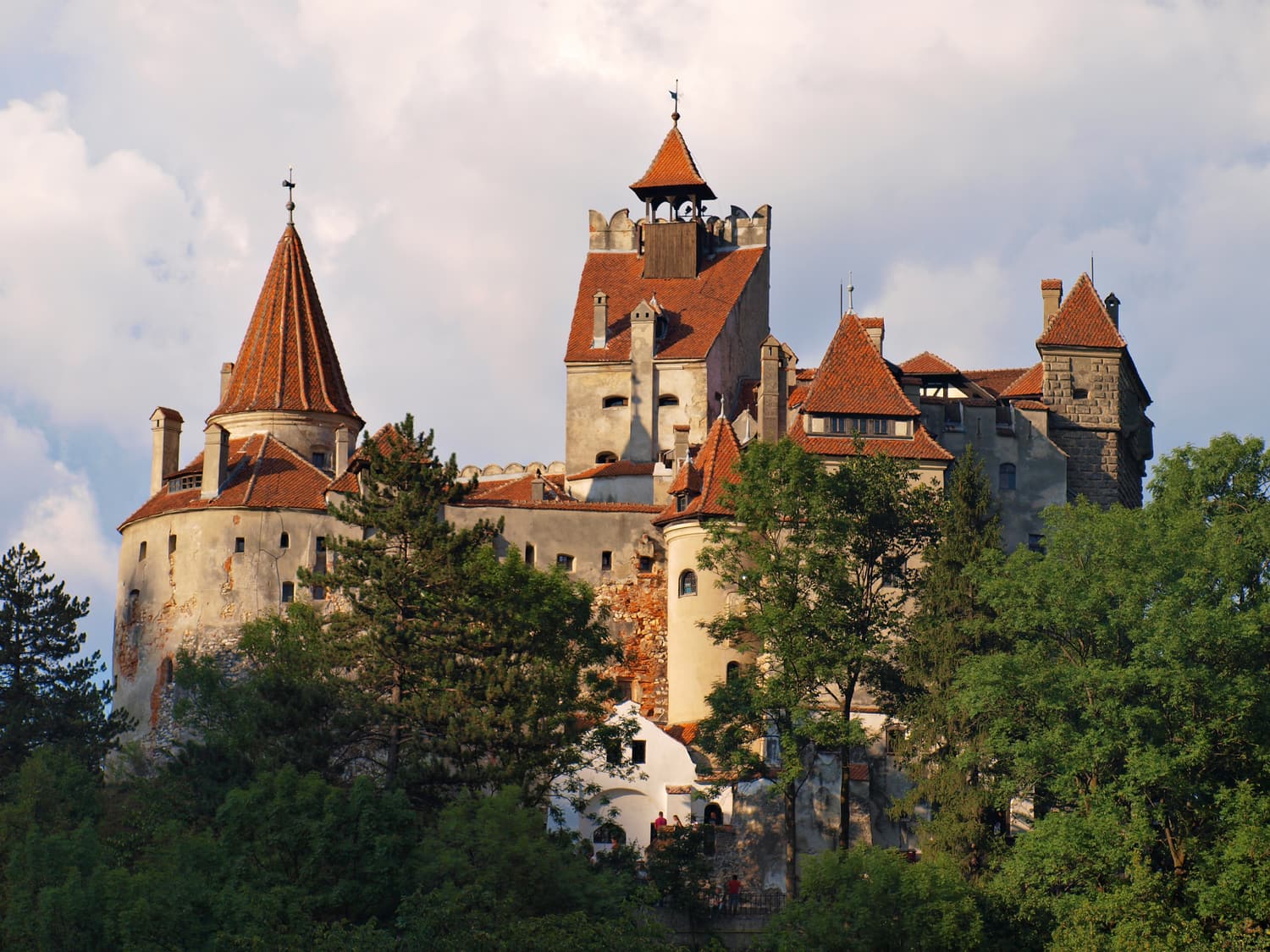
 Bran Castle
The fortress the world calls “Dracula’s Castle”
A 14th-century customs fortress on a rock above the Bran pass, later a favourite home of Queen Marie of Romania. The Dracula link is mostly marketing — the castle itself, with its courtyards, secret staircase and royal rooms, is the real draw.
 Romania
 Peleș Castle & Sinaia
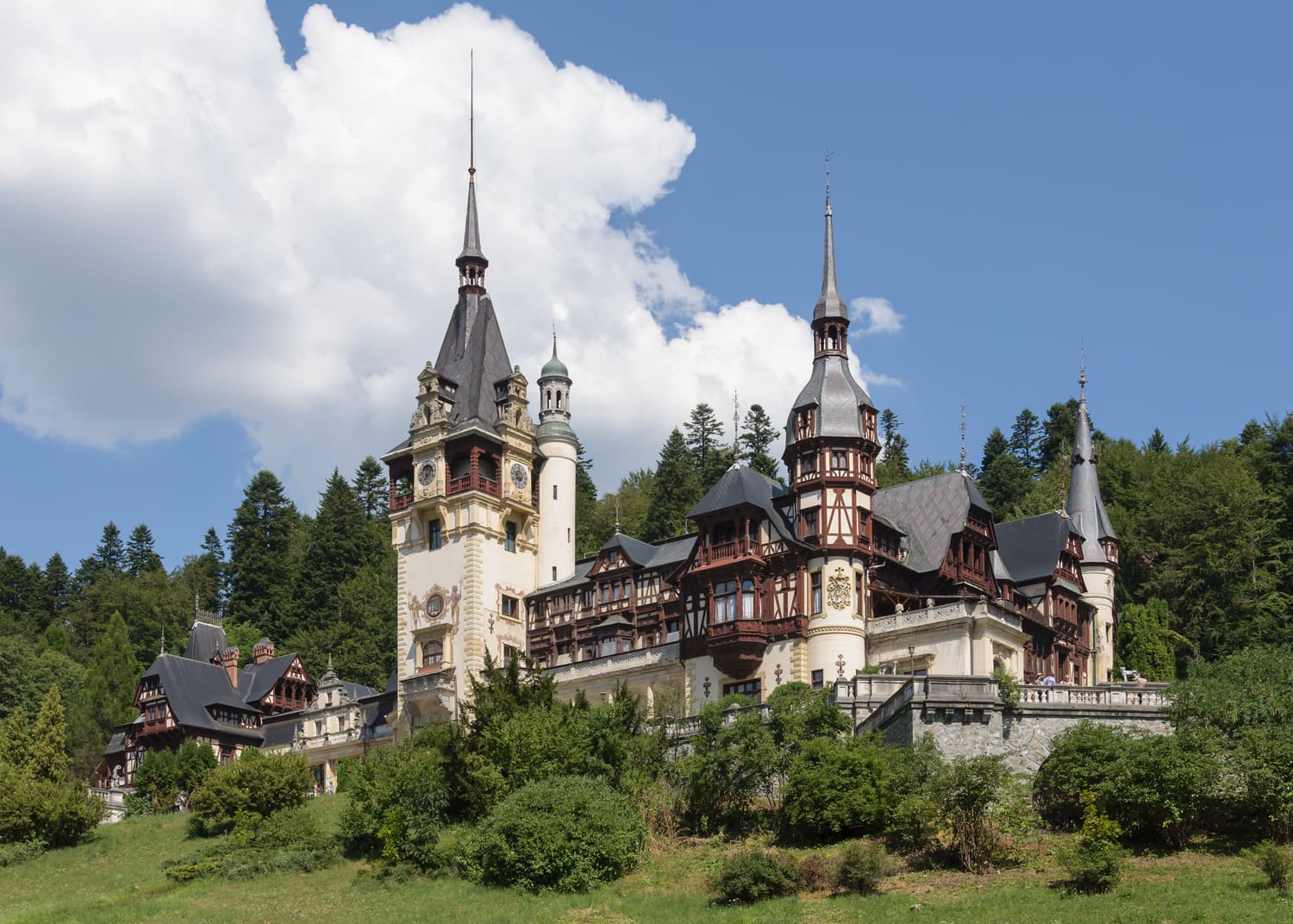
Romania’s fairy-tale royal palace
King Carol I’s neo-Renaissance summer palace in Sinaia, finished in 1914 and among the first castles in Europe with electricity and central heating. Around it: the resort town of Sinaia, its monastery and the gondola up into the Bucegi.
 Romania
  Romania
 Transfăgărășan & Transalpina
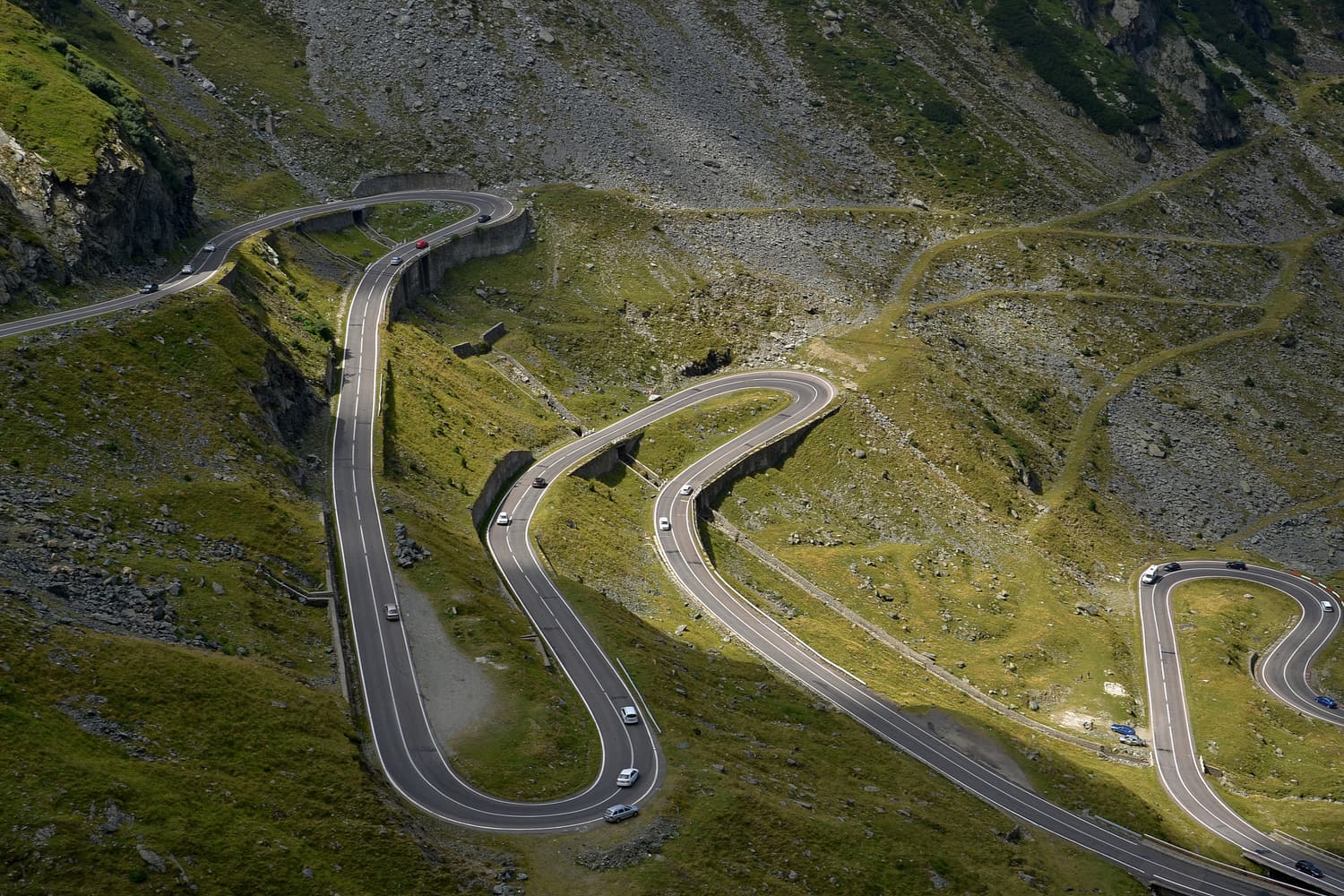
Two of Europe’s great mountain roads
The Transfăgărășan (DN7C) crosses the Făgăraș Mountains in a tangle of hairpins to Bâlea Lake at 2,034 m. To the west, the Transalpina (DN67C) climbs even higher, to about 2,145 m. Both are open only in summer — and both are bear country.
See all fifteen, with directions and tours, in our places to visit guide.
Hiking and mountain huts
The Carpathians have thousands of kilometres of waymarked trails, marked with coloured stripes (red for main ridge routes, then blue, green and yellow). Mountain huts are called cabane in Romania, schroniska in Poland and chaty in Slovakia. Standards range from simple dormitories to comfortable lodges with restaurants; in popular areas book beds ahead, especially on summer weekends.
- Use a good offline map app — mapy.com and similar apps cover all the Carpathian countries well.
- In Poland and Slovakia many huts and paths are busy; in Romania trails can be poorly marked and remote.
- Mountain rescue: 112 everywhere; Salvamont (Romania), TOPR/GOPR (Poland) and HZS (Slovakia). Rescue can be charged for foreign visitors in Slovakia — get insurance that covers hiking.
- Tatra National Park (both sides) charges entry or trail fees; many high Slovak trails close from 1 November to 15 June.
Bear safety
The Carpathians hold Europe’s largest brown-bear population outside Russia — Romania alone has several thousand. Attacks are rare but do happen, usually when a bear is surprised or has learned to associate people with food.
- Make noise on forest trails, hike in groups and keep dogs on a lead.
- Never feed bears, including from cars on the Transfăgărășan — it is illegal and creates dangerous bears.
- Store food and rubbish properly; do not leave anything outside tents or cabins.
- If you meet a bear: stay calm, do not run, speak calmly and back away slowly, giving it space. Carry bear spray if you know how to use it.
- The safest way to see bears is from a ranger-run observation hide.
Skiing
Winter sports are big business: Zakopane (Kasprowy Wierch, Nosal, Białka Tatrzańska nearby), Jasná in Slovakia’s Low Tatras, Štrbské Pleso and Tatranská Lomnica in the High Tatras, and Poiana Brașov, Sinaia and Predeal in Romania. The season usually runs from December to March, with snow depending on the year.
What it costs
The Carpathians are good value compared with the Alps, though popular resorts are no longer cheap. Indicative prices:
| Item | Typical price |
|---|---|
| Bran or Peleș castle entry | Roughly €10–20 for adults — check current rates |
| Tatra National Park day ticket (Poland) | A few euros per person |
| Kasprowy Wierch cable car (return) | Roughly €30–40 in season |
| Mountain hut dorm bed | ≈€15–35 |
| Main course in a mountain restaurant | ≈€8–15 |
| Mid-range double room in Brașov or Zakopane | ≈€70–150, more on ski weekends |
Prices change often — treat these as a guide and check on the day.
Money and language
- Currencies: Romanian leu (RON), Polish złoty (PLN), euro (EUR) in Slovakia, Czech koruna (CZK) and Ukrainian hryvnia (UAH).
- Cards are widely accepted in towns; carry cash for mountain huts, markets and village guesthouses.
- English is widely spoken by younger people and in tourism; German is useful in Transylvania and older generations in the Tatras.
Food to try
Mountain food is hearty. In Romania try sarmale (cabbage rolls), mămăligă (polenta) with sheep’s cheese and sour cream, ciorbă soups and papanași doughnuts. In Poland, grilled oscypek with cranberry jam, kwaśnica sauerkraut soup and pierogi. In Slovakia, bryndzové halušky — potato dumplings with sheep’s cheese and bacon. Wash it down with pălincă, țuică, borovička or a local beer.
What to pack
- Proper hiking boots with grip — limestone and granite are slippery when wet.
- Waterproof jacket and a warm layer, even in July; it can snow above 2,000 m in any month.
- Sun protection, water bottle and snacks; springs are unreliable on limestone ridges.
- Offline maps, a power bank and a headlamp.
- A copy of your insurance, and ID for border areas.
Common mistakes
- Trying to see Transylvania and the Tatras in the same short trip — they are 800 km apart.
- Driving the Prahova valley or the Zakopianka on a Friday evening.
- Planning the Transfăgărășan outside its July–October opening window.
- Starting mountain hikes late on summer afternoons, when storms build.
- Feeding bears or leaving food out. See our tour picks for safe ways to see them.